Content Schema - Create
Learning opportunity
For this assignment, we were asked to create a content schema to organize a collection of resources of our choosing. A content schema is a guide for what to describe about a resource (i.e. attributes) and how to do it. Generally, bibliographic content schemas include the core attributes of Title, Creator, and Version.
Context and use case
This content schema is created for 80 zines in my personal collection. The system is designed to ease the search and use of my zine collection for any friends and family who would be interested in browsing my zines.
First attempt
Peer review feedback
I received the following feedback from my peers about my content schema. The key points were:
Attribute and instructions included in the content schema are clear and support the completeness of records
“Printing Process” and “Binding Process” are attributes that require a level of expertise to complete; link to a separate “Standards” document with descriptions of each process may be useful
Question about whether “Description” refers to a physical description of the resource or a description of what the resource is about
Revised attempt
Examples
The following are examples of items in my zine collection with a complete record:
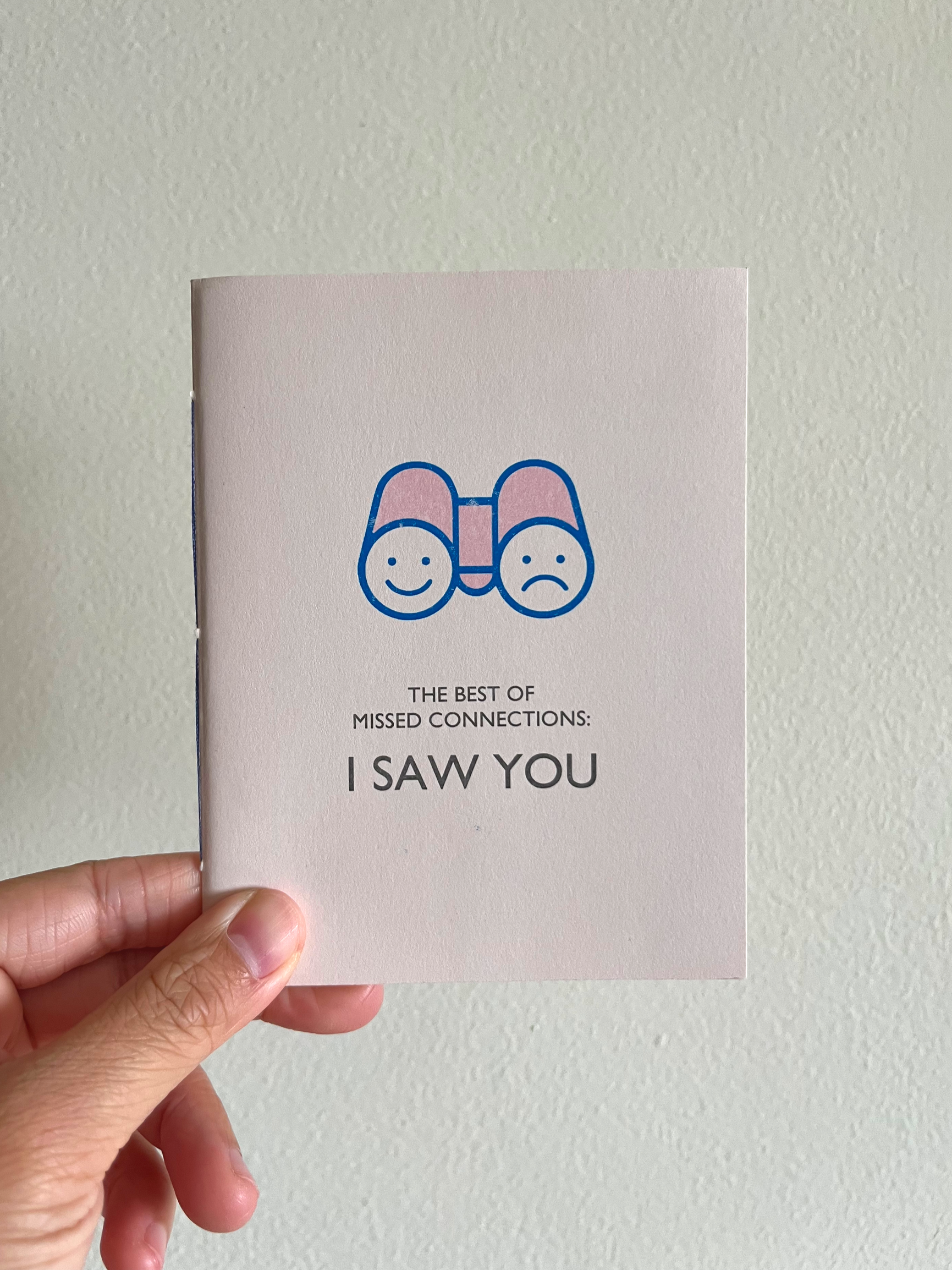
Title: THE BEST OF MISSED CONNECTIONS: I SAW YOU
Type: Compilation zine
Subject: relationships, crushes, dating, Vancouver
Description, subject: A compilation of “Missed Connections” postings found on Vancouver’s Craigslist from 2015-2020.
Contributor: Cathleen Chow
Language: EN
Date of publication: n.d.
Place of publication: Canada
Description, physical: Soft pink card stock cover with white printed inside pages. Hand-sewn binding. 44 pages.
Binding: Sewn bound
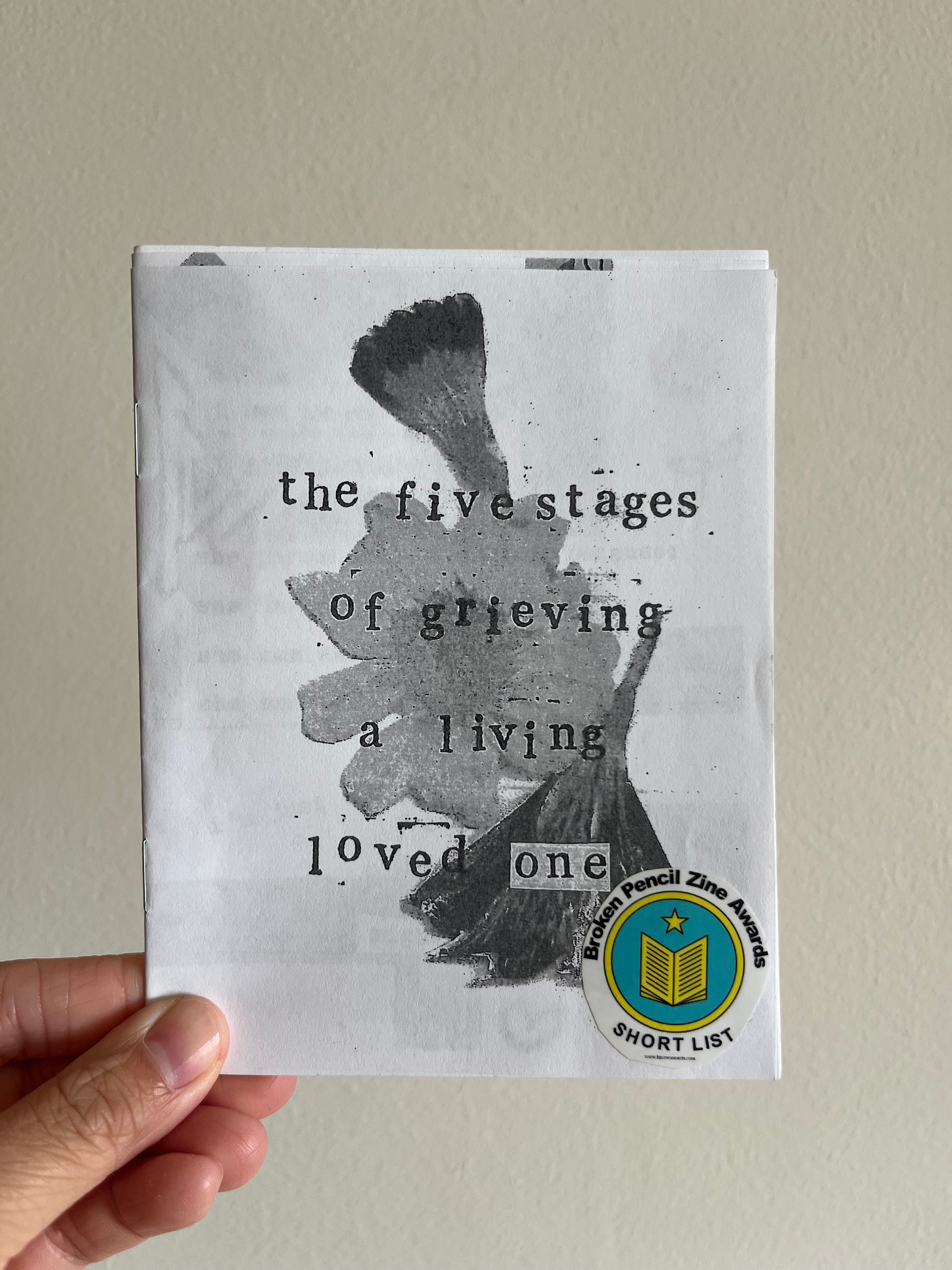
Title: the five stages of grieving a living loved one
Type: Perzine
Subject: grief, depression, trauma, parenting, family
Description, subject: An honest reflection about the contributor’s relationship with their mother and the trauma they experienced. These feelings are expressed through the five stages of grief: denial, anger, bargaining, depression, and acceptance.
Contributor: @gender.spice
Language: EN
Date of publication: 2018
Place of publication: Canada
Description, physical: Illustrations, text and collage. Black and white photocopy zine. Saddle-stitched with staples. The cover has a “Broken Pencil Zine Awards: Short List” sticker on it. 16 pages.
Printing process: Photocopy
Binding: Staple-bound
Reflection
Using the same set of resources for all of my “Create” assignments was helpful for building a foundation of understanding for classification, controlled vocabulary, and content schemas. I found that organizing my zine collection in various ways helped me see the different aspects of a resource that each kind of organizing system tackles and the strengths and shortcomings of each. For example, faceted classification is beneficial for organizing resources by what something “is” but less so for what something is “about”. The content schema, however, is the one that ties all of these concepts together. Creating this content schema was akin to choosing from a “menu” of options to build an ideal guide for how to describe my zines.
In my revised attempt, I implemented most of the feedback from my peers. The primary changes were removing the requirement for “Printing Process” and “Binding Process” and the addition of “Description, subject” and “Description, physical” attributes. The thought process for these changes is to accommodate the possibility that the printing and binding process of a zine may be unknown, so removing the requirement supports the completion of record entries. My expectation is that my user group will primarily be interested in searching for zines with a particular subject matter rather than zines that were printed or bound in a specific way. The addition of the two “Description” attributes clarifies what kind of description is expected for each entry and adds a level of detail to the entry that is more reflective of natural language. In particular, the addition of “Description, physical” is meant to support the identification of a zine based on physical attributes that can be identified by the layperson without specialized knowledge of printing and binding processes, such as the colour of paper or the presence of illustrations.Given more time and resources, I would likely create a name authority for the “Contributors” attribute of my content schema. My thinking process behind this is that many zine-makers have multiple aliases and projects, so a name authority would be beneficial for ensuring that the relationships between a persons’ aliases are connected in one place. In an ideal world, items would be added to my collection with some kind of “Contributor description form” which allows the contributor(s) of the zines to describe their works as they see fit.
The content schema created for this assignment does not seem far from one that I would encounter in practice. Since the core concepts of bibliographic description include a Title, Creator, and Version, it seems that most content schemas for bibliographic resources will not stray too far from this format. That said, it seems likely that most institutions use an existing content standard rather than creating a new content schema from scratch.