Thesaurus - Create
Learning opportunity
For this assignment, we were asked to create a thesaurus to organize a collection of resources of our choosing. Thesauri provide a limited choice of terms to assist those describing and searching for resources in a collection to evade ambiguity and direct users to the most appropriate terms. Hierarchical relationships (Broader Term, Narrower Term), associate relationships (Related Term), and equivalency relationships (USE, Use For) are also represented in the thesaurus. Our thesaurus must have at least 12 preferred terms and at least one of every relationship type (BT/NT, RT/RT, USE/UF).
Context and use case
This thesaurus was designed to describe 80 zines from my personal collection. A zine is a small-circulation publication that is usually non-commercial and self-published for a niche audience. The intended users for this thesaurus are friends and family who may want to browse my zine collection.
First attempt
Peer review feedback
After my first attempt at the thesaurus, I received the following feedback from my instructor and peers. The key points were:
Thesaurus covers a lot of ground and it is quite comprehensive for an interesting collection of resources
There seems to be many RT/RT relationships that do not follow a particular logic; some RT/RTs could probably be BT/NT relationships
Appreciation for the RT relationships that tell a story (e.g. Colonialism RT Canada)
Reciprocity in thesaurus is sound (i.e. all terms are listed twice)
Some terms that could be interpreted differently by users may benefit from a scope note (SN) (e.g. Late stage capitalism)
My second attempt implemented some of the feedback mentioned above. The summary of feedback I received for my revised version is as follows:
USE/UF, BT/NT, RT/RT relationships have been polished up from the first attempt
Consider adding UF term for “ADHD” and other acronyms
“Skate culture” is missing a UF relationship with “Culture, skate”
Given the number of items in the collection about “Craigslist,” it is probably sufficient to simply have the term “Classifieds” to encompass all works
Associative relationships in the thesaurus tell a story and communicate a perspective in the document and about the collection
Revised attempt
Examples
The following are examples of items in my zine collection tagged with subject terms from my thesaurus:
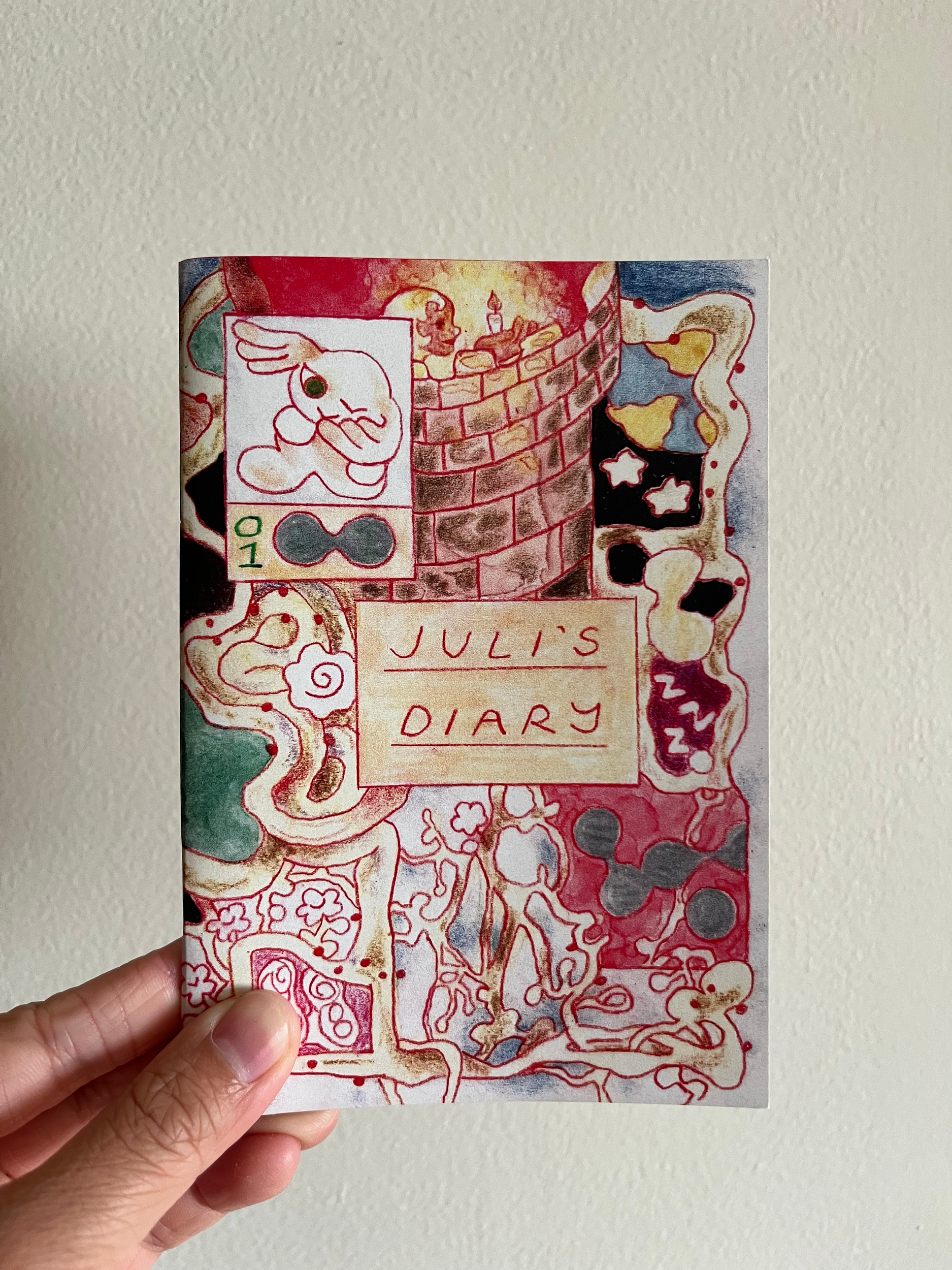
Juli’s Diary by Juli Majer
Art, Diary
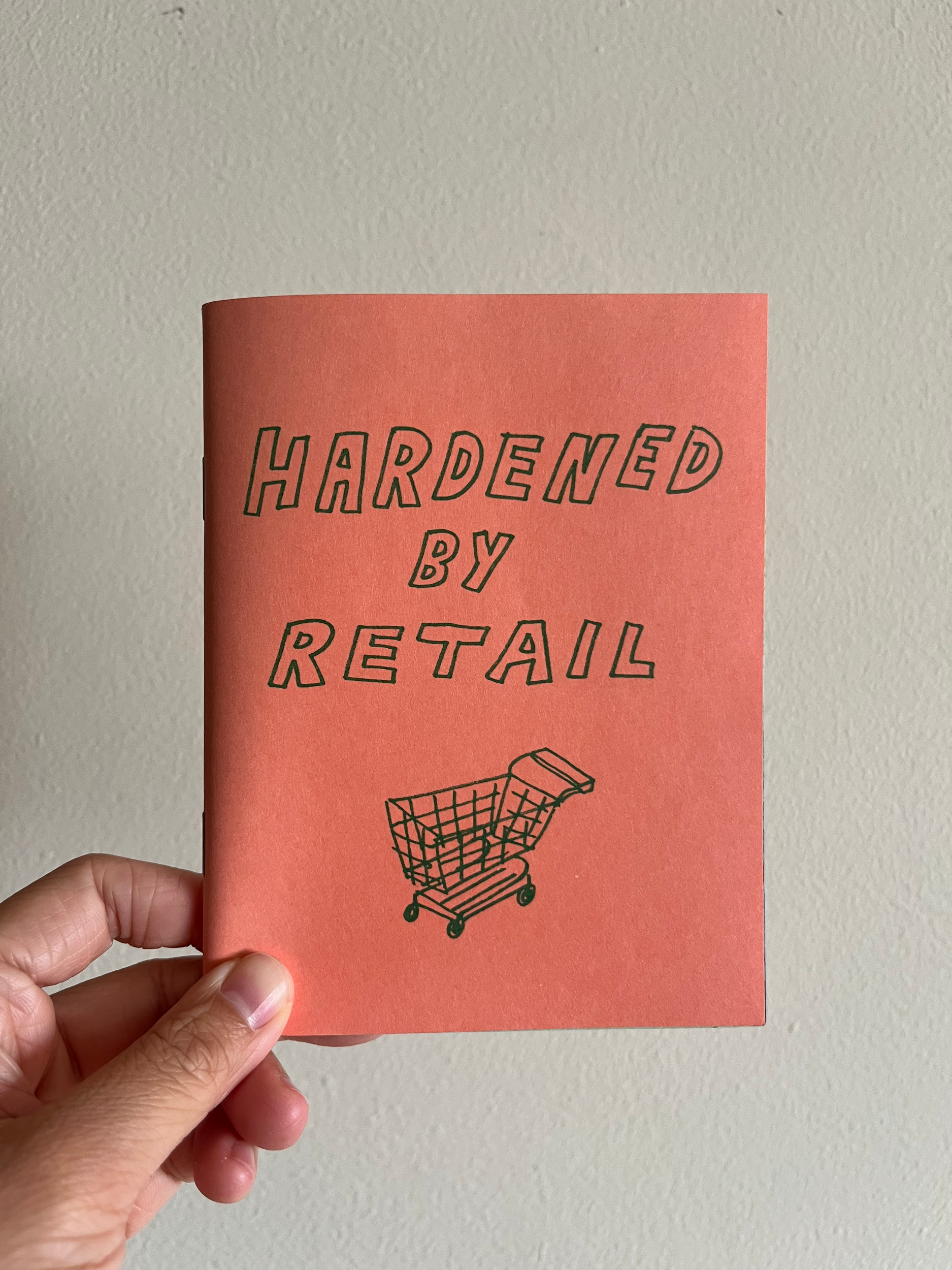
Hardened by Retail by Louise
Art, Retail, Lived experience
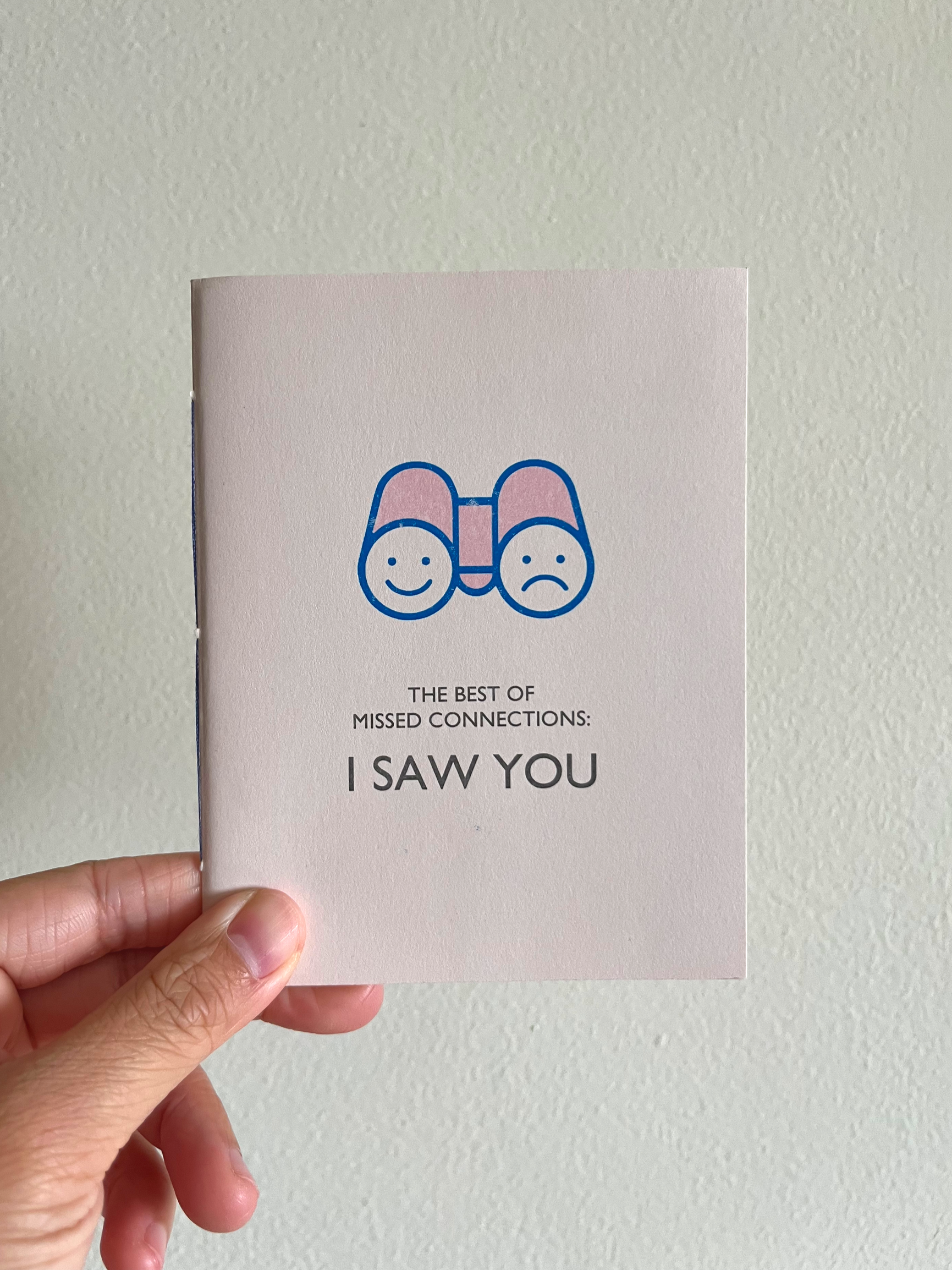
The Best of Missed Connections: I Saw You by Cathleen Chow
Dating, Missed connections, Relationships, Vancouver
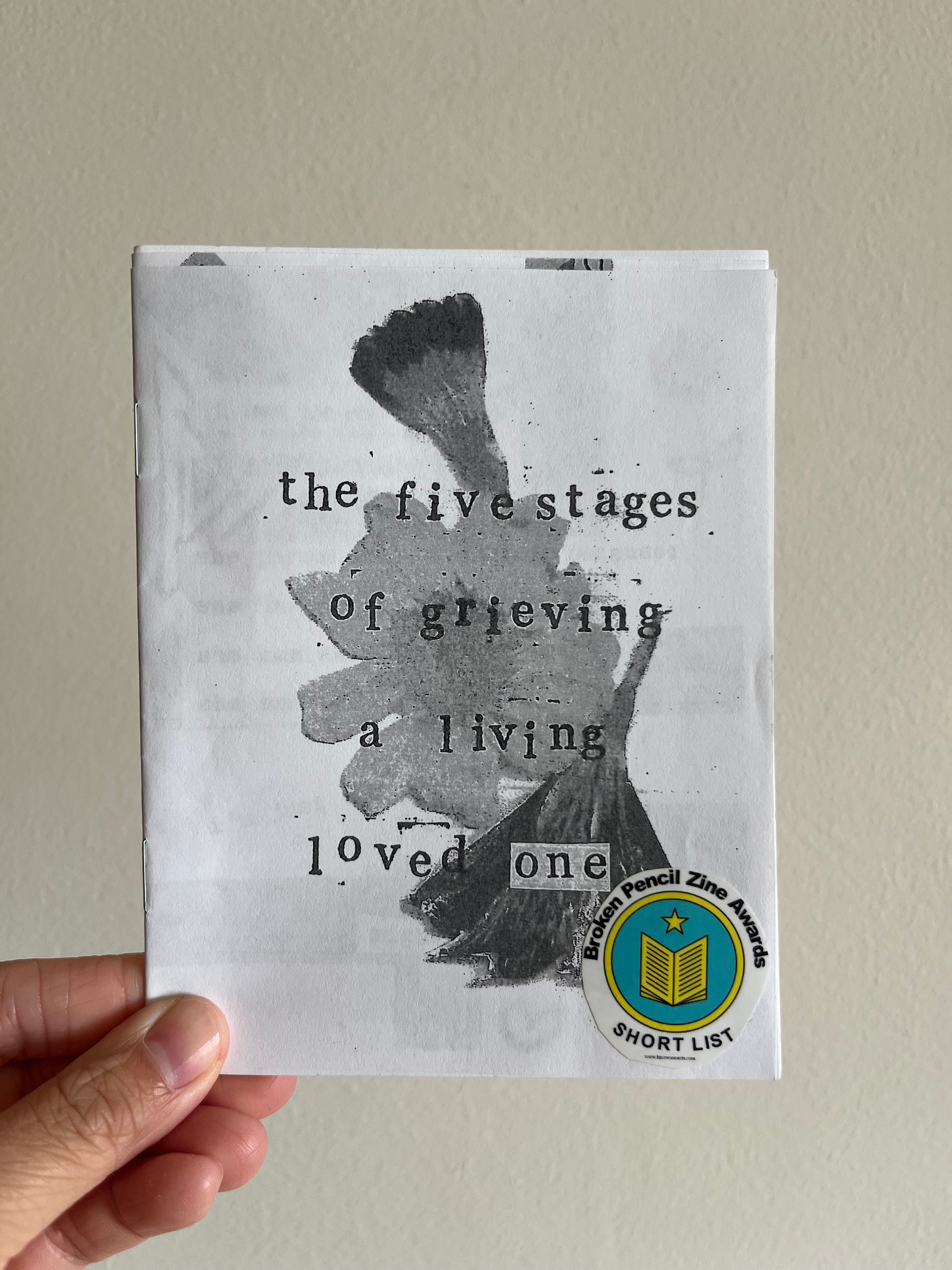
The Five Stages of Grieving a Living Loved One by @gender.spice
Depression, Grief, Relationships, Trauma
Reflection
Given my familiarity with zines and the subject matter of the collection, I found it enjoyable to think of appropriate terms for my user group and design the thesaurus to facilitate effective searching. The most challenging aspect of creating this thesaurus was understanding the various relationships between the terms including, hierarchical relationships (BT/NT), associative relationships (RT/RT), and equivalency relationships (USE/UF). Perhaps the most challenging to understand of all the relationships were associative relationships between terms. In my first attempt, the thesaurus contained too many RT/RT relationships that did not follow any particular logic. In order to improve my thesaurus, I revisited the principles for creating RT/RT relationships and revised my thesaurus to ensure each RT/RT relationship was either:
Operation and instrument;
Action and product;
Causal; OR
Field of study and object of study
I felt some relief when my instructor shared that this assignment is often the one that students would like to have reviewed and need more support with. To me, this communicates that it is a common challenge for practitioners to concretize their knowledge about the relationships that a thesaurus encompasses and how abstract the lexical relationship can become. The size of my thesaurus is a fraction of the size of a thesaurus one would encounter in any institution. However, I still found the exercise of creating a thesaurus to be quite involved and necessitated a lot of reviewing to ensure reciprocality (i.e. terms with relationships are cross-listed) and logical coherence (i.e. relationships between terms make sense). I imagine in practice, many institutions use existing thesauri and the creation of a custom thesaurus would likely involve machine automation of some kind given the anticipated volume of terms it would entail.
Moving from the Classification - Create assignment, I found this assignment helpful to build on the foundation of how knowledge is organized, especially when a resource cannot be neatly classified by any particular facet.