Controlled Vocabulary - Analyze
Learning opportunity
For this assignment, we were asked to analyze an existing controlled vocabulary used in libraries or other domains and institutions. The controlled vocabulary can be a thesaurus or a simpler list of terms used to describe an attribute about a resource. The analysis should include the following details about the controlled vocabulary: who owns and maintains it, what resources or concepts it labels and organizes, contexts and institutions it is used in, the likelihood of us encountering it, and its strengths and shortcomings. To continue my exploration of organizing zines throughout this course, I chose to analyze the Zine Subject Thesaurus of Anchor Archive Zine Library (AAZL).
First attempt
Peer review feedback
For my analysis of the AAZL Zine Subject Thesaurus, I received the following key points of feedback from my instructors and peers:
Analysis is clearly written and includes a good level of detail about how and by whom the thesaurus is used and maintained, but could benefit from being divided into sections
Could be beneficial to include examples of subject terms and the relationships between them make them appropriate for describing zines
Limitations of a volunteer-run and grassroots nature of thesaurus management were identified and explored thoroughly
Strengths and weaknesses of the thesaurus were clearly identified, but could benefit from illustrated examples of what terms are missing and what terms are North American-centric
Questions:
What other initiatives or institutions use this thesaurus? Why do you think an institution may or may not use this controlled vocabulary?
Given the community-input structure of the thesaurus, is it sufficient to use it to describe your chosen set of resources, knowing new terms are always being added? Or would you create your own expanded version?
Revisions
Examples
In my initial attempt, I did not have the opportunity to apply the the thesaurus to items of my choosing. To better reflect on the revisions I wish to pursue, I applied the subject headings from Anchor Archive’s Zine Subject Thesaurus to some zines in my personal collection.
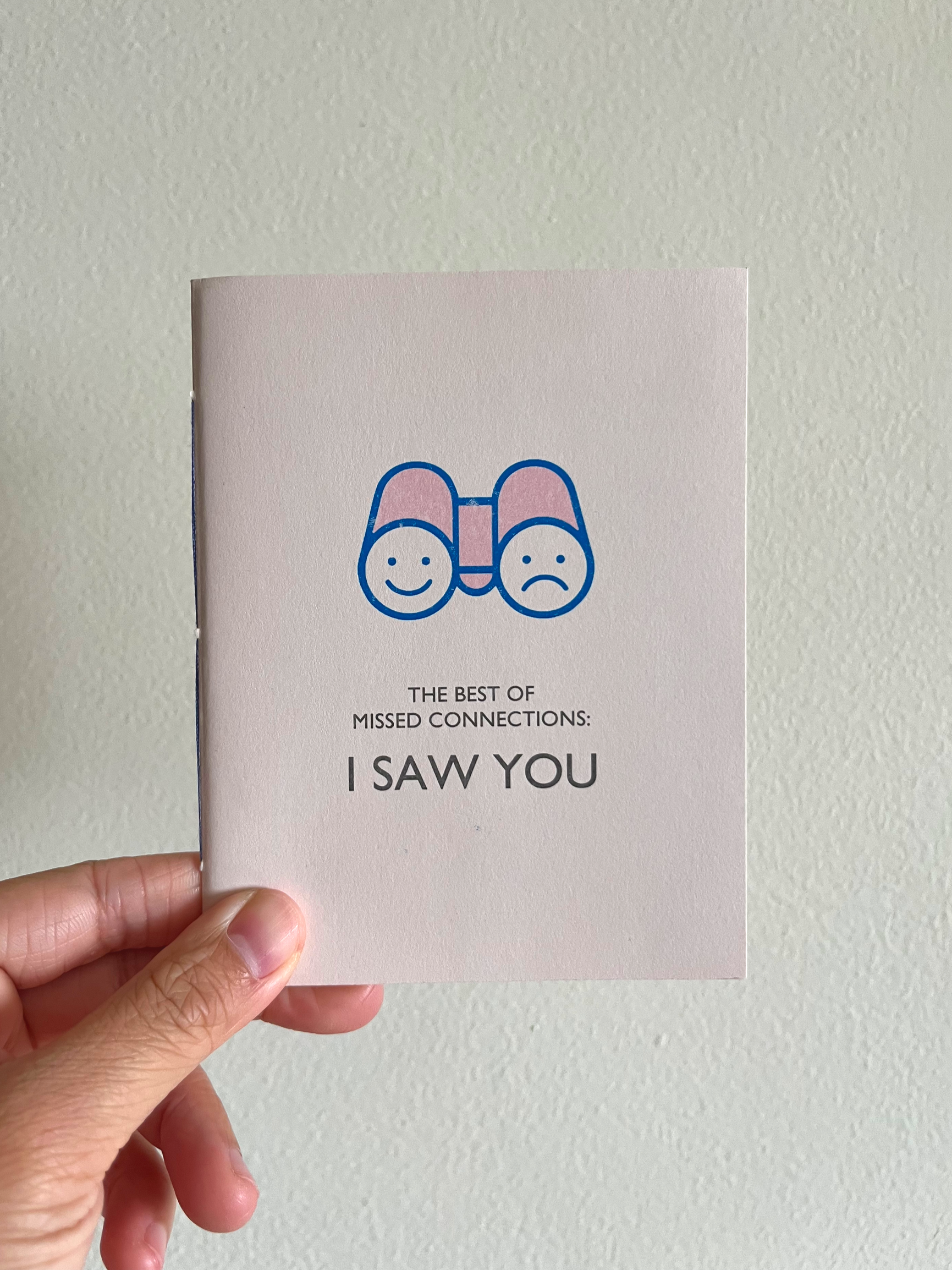
The Best of Missed Connections: I Saw You by Cathleen Chow
Subject headings: crushes, dating, relationships, Vancouver
Terms I wish the thesaurus had: classifieds, missed connections
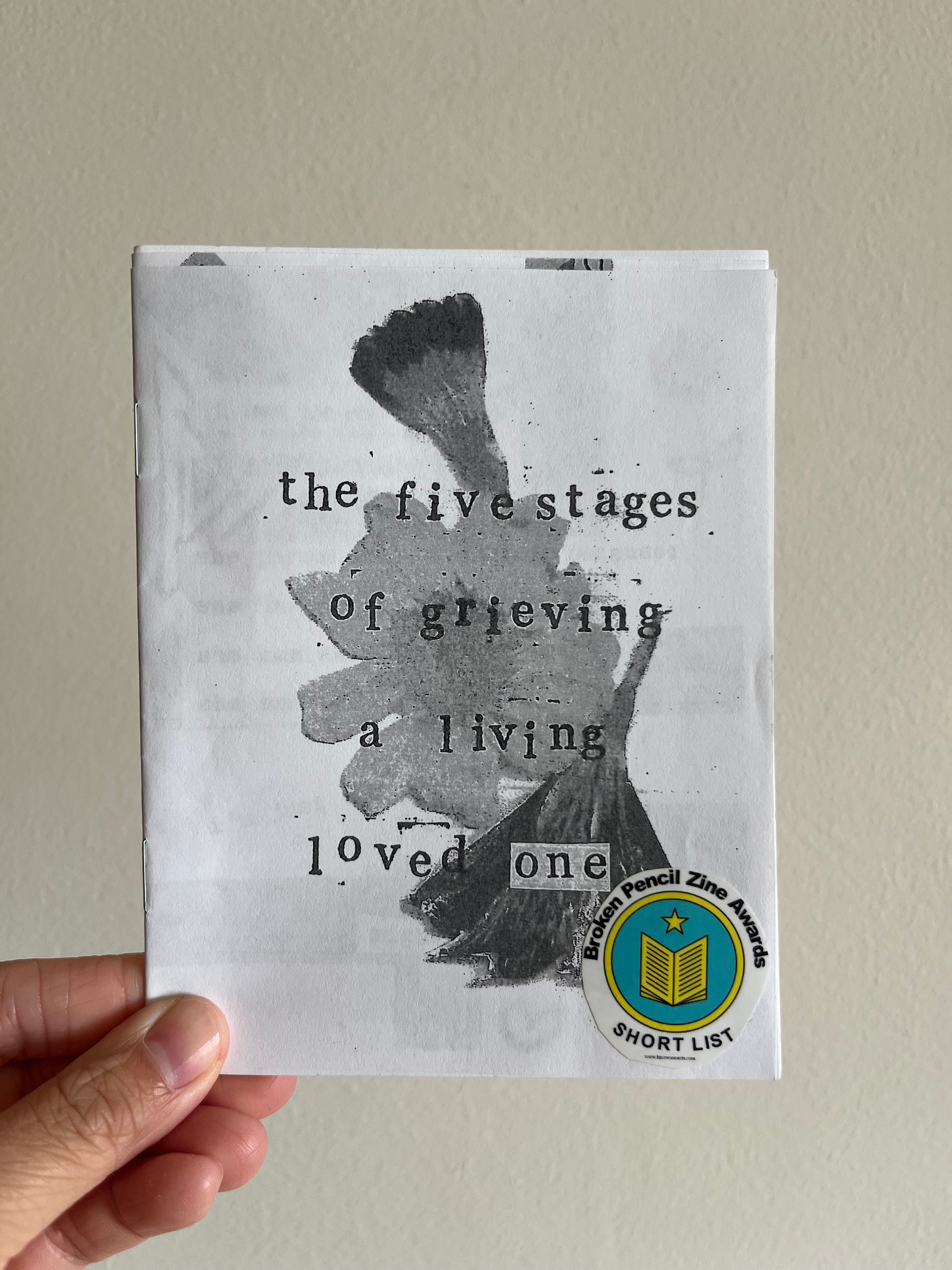
The Five Stages of Grieving a Living Loved One by @gender.spice
Subject headings: depression, family, grief, parenting, trauma
Terms I wish the thesaurus had: parent-child relationship
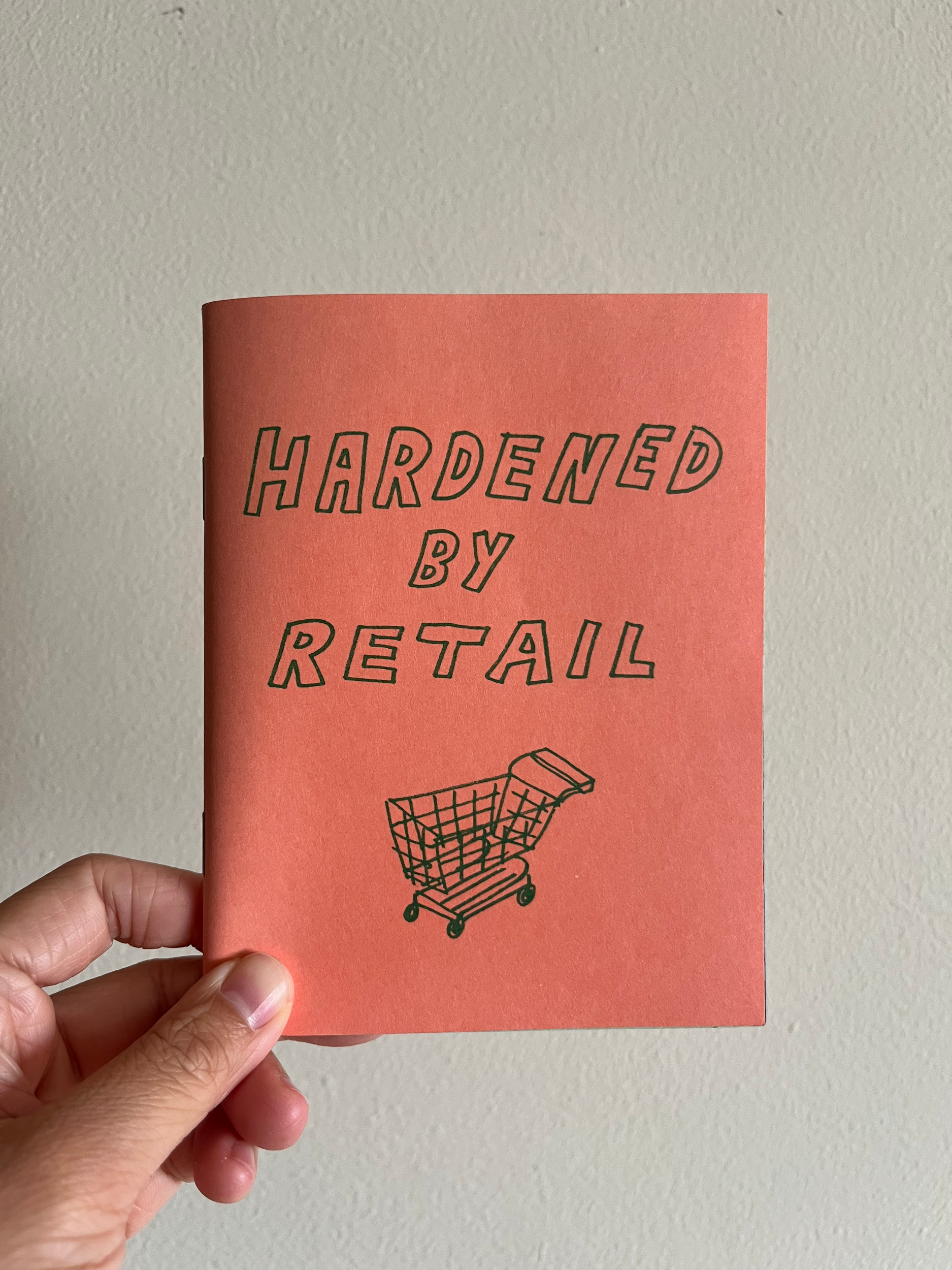
Hardened by Retail by Louise
Subject headings: art, emotional labour, personal experience, service jobs, work, workplace challenges
Given more time, I would like to demonstrate how the terms and relationships in AAZL’s Zine Subject Thesaurus are particularly well-suited for describing zines. In the examples above, I have demonstrated some missing terms from the thesaurus based on the zines in my personal collection. Since AAZL’s Zine Subject Thesaurus is self-proclaimed as a general thesaurus that lacks specificity, I am reluctant to suggest that more specific terms be added, especially if it is not reflective of the actual zine collection. In my initial attempt, I mentioned using this thesaurus to describe the Queer Reads Library collection, and my concern of missing terms for community-specific queer terms. For example, a common term for “lesbian” in China is “lala”, however Anchor Archive’s thesaurus only includes “lesbian” as a thesaurus term with “lesbians” and “dykes” listed as synonyms. This is an example of missing terms and terms in the thesaurus that are North American-centric. The broad term “lesbian” also lacks narrow terms for more specific lesbian identities such as “femme” and “butch” (North America); and “TB” (tomboy) and “TBG” (tomboy’s girl) (Hong Kong). Ultimately, I think Anchor Archive’s Zine Thesaurus is reflective of their current collection, which is based in North America, and until they expand the breadth of their collection, it may not be useful to suggest the inclusion of specific terms that would be useful for describing another zine collection.
Reflection
Through this assignment, I learned more about what it takes to manage a community-sourced thesaurus. Anchor Archive’s Zine Subject Thesaurus is a good example of a thesaurus that has been created by combining the principles of literary warrant, user warrant, and ethical warrant. I felt especially inspired by Anchor Archive because of my stewardship of Queer Reads Library and my desire for our subject headings to be reflective of the communities we serve. In contrast with the mainstream controlled vocabularies we were introduced to in the course, such as Library of Congress Subject Headings (LCSH), Anchor Archive’s Thesaurus allowed me observe how the subject matter of a collection can be tailored to a collection. It is not necessary to force-fit a ubiquitous thesaurus like LCSH to a more niche collection. As long as one understands the principles of controlled vocabularies and thesauri, creating a customized vocabulary is possible.